
Car
Diana Spotted Camilla at Her Wedding, Memory Lasted 16 Years
Jul
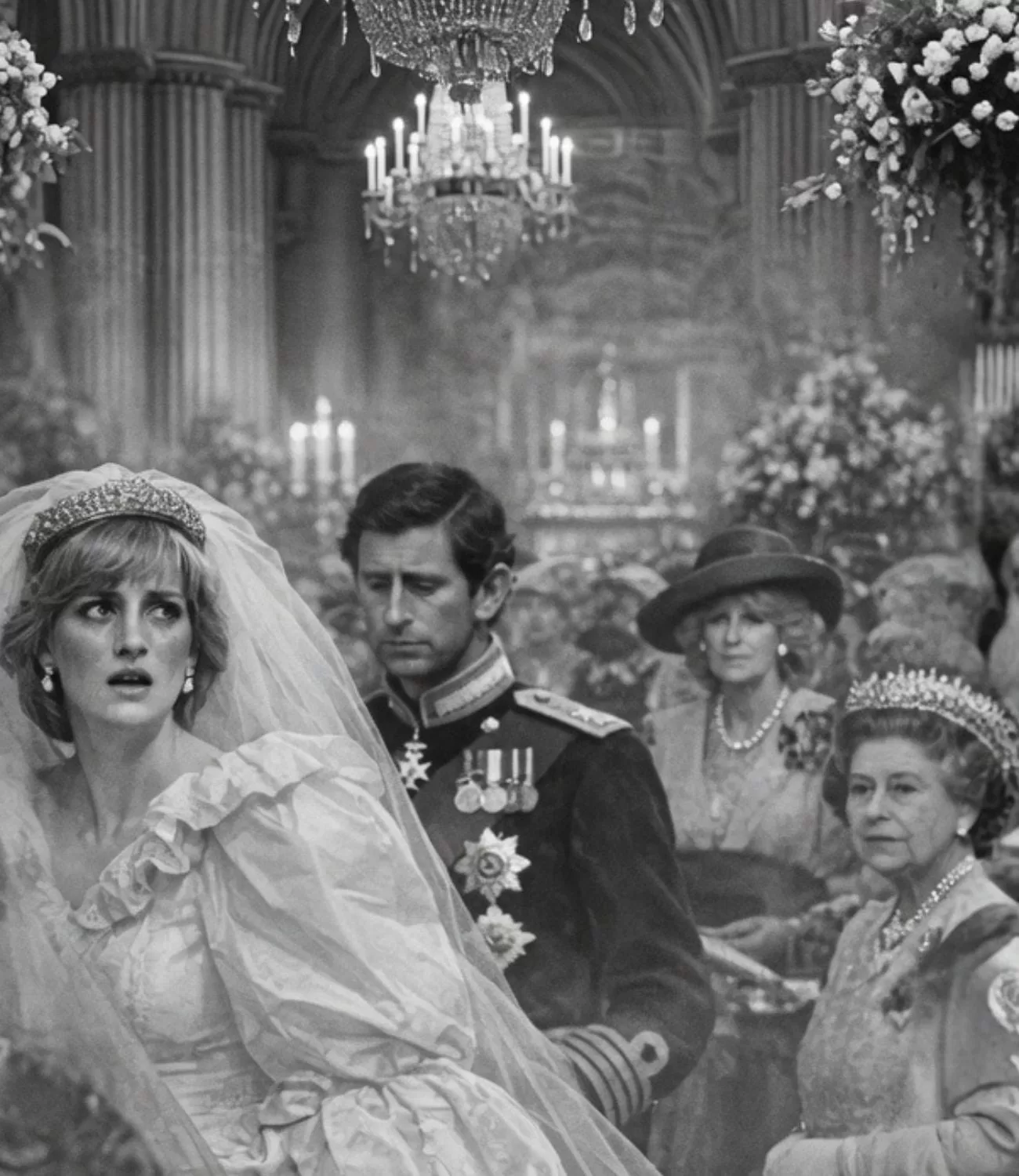
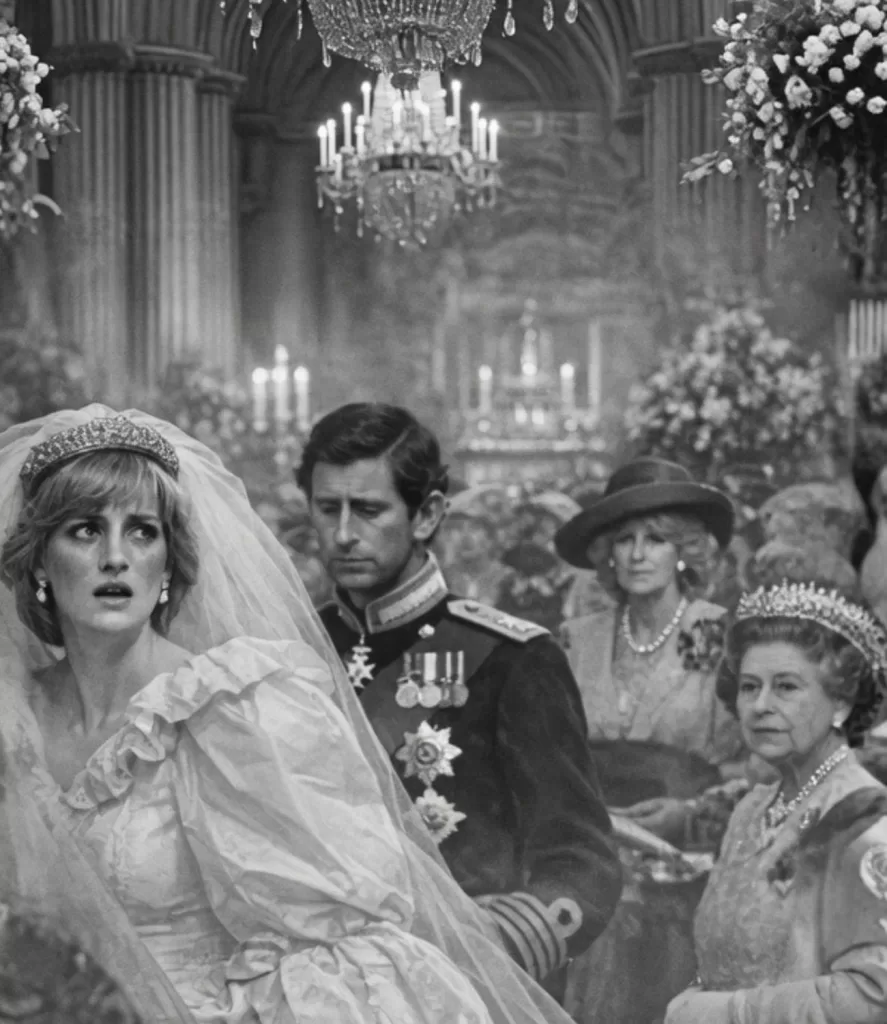
Diana Spots Camilla at Her Own Wedding — What She Saw Stayed with Her in Vivid Detail for 16 Years
Inside the cathedral, there was near silence, broken only by the soft sweep of silk and the low murmur of guests holding their breath. Lady Diana Spencer stood clutching her bouquet, her fingers wrapped a little too tightly around the stems. She was just twenty. In under an hour, she would become the Princess of Wales, while the world watched what looked like a real-life fairy tale unfolding.
Diana, however, was not focused on the cameras, the bells, or the crowds lining the streets of London. Her attention was fixed on one woman she had barely ever met, yet who seemed to understand Prince Charles far better than she did. Somewhere inside St Paul’s Cathedral, among the polished guests and careful smiles, sat Camilla Parker Bowles — the woman Diana feared was already occupying the place she was meant to claim.
Two days before the wedding, Diana had opened a parcel never intended for her. Inside was a gold bracelet with a blue enamel plate engraved with the initials G and F. Those letters stood for Gladys and Fred, the private nicknames Charles and Camilla used for each other. It was no innocent keepsake, but a gift her future husband planned to give another woman just forty-eight hours before marrying her.
Diana brought it up with Charles. He brushed it off, calling it nothing more than a parting gesture. But by then, the wedding plans had gained too much momentum to halt. Invitations were already sent, and the expectations of the royal family weighed heavily. So Diana made a silent choice: she would go through with the ceremony, and she would look for Camilla.
To grasp that moment, it helps to recall how young Diana was and how fast everything unfolded. She came from aristocratic society but had also worked as a nursery assistant, shared a flat with friends, and experienced a fairly ordinary sense of independence. She and Charles properly met in 1980 and had only seen each other a few times before their engagement was announced. While the public saw a romance, Diana felt uncertainty, emotional distance, and unanswered questions no one seemed willing to address.
The bracelet was not the first sign. Diana had already caught whispers about Camilla and once overheard Charles on the phone telling someone he would always love her no matter what. Whenever Diana voiced her concerns, she was treated as anxious, immature, or overly emotional. At lunch with her sisters shortly before the wedding, she said she could not marry a man who loved someone else. They reminded her that her face was already on souvenirs — it was too late to turn back.
Diana was not fragile; she was cornered. The monarchy required an heir. Charles needed an appropriate wife. Diana met those expectations, yet she was not just a name in a lineage. She was a young woman who longed to be loved and believed marriage might make Charles choose her.
Camilla was far more than a passing romance. Charles had first met her in 1970, years before Diana entered his life. He loved her, but she was never deemed a suitable future queen consort, so she married Andrew Parker Bowles instead. By 1981, she was a married woman with children and still part of Charles’s social circle, which made her presence easy to justify and their closeness easier to conceal.
To Diana, the bracelet felt like confirmation. Publicly it could be dismissed, but privately it spoke volumes. Charles also had cufflinks from Camilla, marked with two interlocking Cs. During the honeymoon, Diana noticed him wearing them and asked if Camilla had given them to him. Charles said they were simply a gift from a friend. To Diana, it must have felt like another door quietly shutting.
On the morning of 29 July 1981, St Paul’s Cathedral was filled with light, music, and anticipation. Holding her father’s arm, Diana walked forward as her train trailed behind her. She kept a composed expression, the perfect image of a royal bride, while inside her thoughts were searching for something else entirely.
She scanned the rows of guests one by one until she saw Camilla. Later, Diana would recall every detail — the pale grey suit, the pillbox hat, the veil, and Camilla’s young son Tom standing on a chair to see above the crowd. Diana did not look away. She recognized her, saw her clearly, and continued walking toward Charles.
That single look never left her mind. It wasn’t a brief moment of unease; it was the instant when an inner fear became unmistakably real. Surrounded by thousands inside the church, Diana perceived the third presence in her marriage even before the vows were exchanged.
The ceremony carried on. Diana faltered over Charles’s full name, saying Philip Charles Arthur George instead of Charles Philip Arthur George. A soft ripple of laughter moved through the congregation, and later the press brushed it off as a sweet slip. Diana would later recall an almost unsettling calm. There was no excitement or happiness—only a kind of emotional emptiness.
On the surface, it was a dazzling public occasion. Millions watched the dress, the carriage, the balcony appearance, and the kiss. They saw a young woman step into the role of princess. Yet three people in that cathedral understood a different reality: Charles, who had given the bracelet; Camilla, who had accepted it; and Diana, who had seen it and still continued down the path before her.
As time passed, the image began to fracture. During the honeymoon, Diana’s inner turmoil intensified. An eating disorder that had started before the wedding grew worse under the strain of royal life, motherhood, and constant public attention. She felt exposed in public yet isolated in private. The royal household, shaped by discipline and duty, struggled to engage with such visible emotional suffering. Their priority was maintaining appearances rather than addressing what the young princess truly needed.
Diana gave birth to William and Harry and loved them intensely. Even so, the marriage steadily weakened. Charles’s bond with Camilla did not disappear. By the mid-1980s, later accounts suggest, their relationship had resumed. Diana felt she was competing with someone who had never truly gone away. The palace could organize schedules and manage photographs, but it could not mend a bond already damaged at its core.
For years, Diana held onto the memory of that wedding morning. The bracelet, the cufflinks, the phone calls, and the conversations where her concerns were dismissed all stayed with her. She also remembered Camilla in grey. Her recollection remained sharp because pain tends to preserve what happiness allows to blur.
In 1991, Diana found a way to tell her story. With the help of her friend Dr James Colthurst, she responded to journalist Andrew Morton’s questions on recorded tapes. Unable to speak freely in public, she spoke privately into a microphone at Kensington Palace. What emerged was nothing like the polished royal image. She described despair, isolation, jealousy, and the painful awareness that she had entered the marriage already conscious of Camilla’s place in Charles’s life.
When Morton’s book, Diana: Her True Story, was published in 1992, it caused a sensation in Britain. Many rejected it or condemned it outright, and the palace dismissed it as fiction. It was only after Diana’s death in 1997 that Morton confirmed she had been the source. The recordings made it clear that this was not rumor or invention, but Diana’s own account.
Sixteen years after the wedding, she could still picture Camilla as clearly as if it had happened that same morning—the pale grey clothing, the veiled hat, Tom on the chair. “I saw it all,” she said. Those words are significant because they reveal how fully Diana grasped her reality, even when others insisted she was mistaken or imagining it.
The real tragedy of that day is not only that Diana understood, but that many around her understood enough to feel uneasy, yet the wedding still proceeded. Duty, image, and the expectations of the Crown were placed above honesty, compassion, and a young woman’s right to choose freely.
Diana’s story is often reduced to royal scandal, but at its core it is deeply human. It speaks to the price of silence and to what happens when institutions guard their reputation more carefully than the people within them. Beneath the veil and flowers was a bride who already understood that love cannot be imposed by ceremony.
When Diana walked down the aisle and looked for Camilla, it was a quiet form of resistance. She chose not to pretend and not to look away. Years later, when she shared what she had witnessed, she again refused to let her experience be reduced to rumor or misunderstanding.
Around seven hundred and fifty million viewers witnessed what looked like a fairy tale. Diana noticed Camilla. In the midst of the guests, she saw the truth standing there in pale grey, and she held onto that image because some truths cut too deeply to be forgotten. In time, that memory became part of her strength—the strength to speak out, to be taken seriously, and to leave behind an account of what truly happened.
