
Car
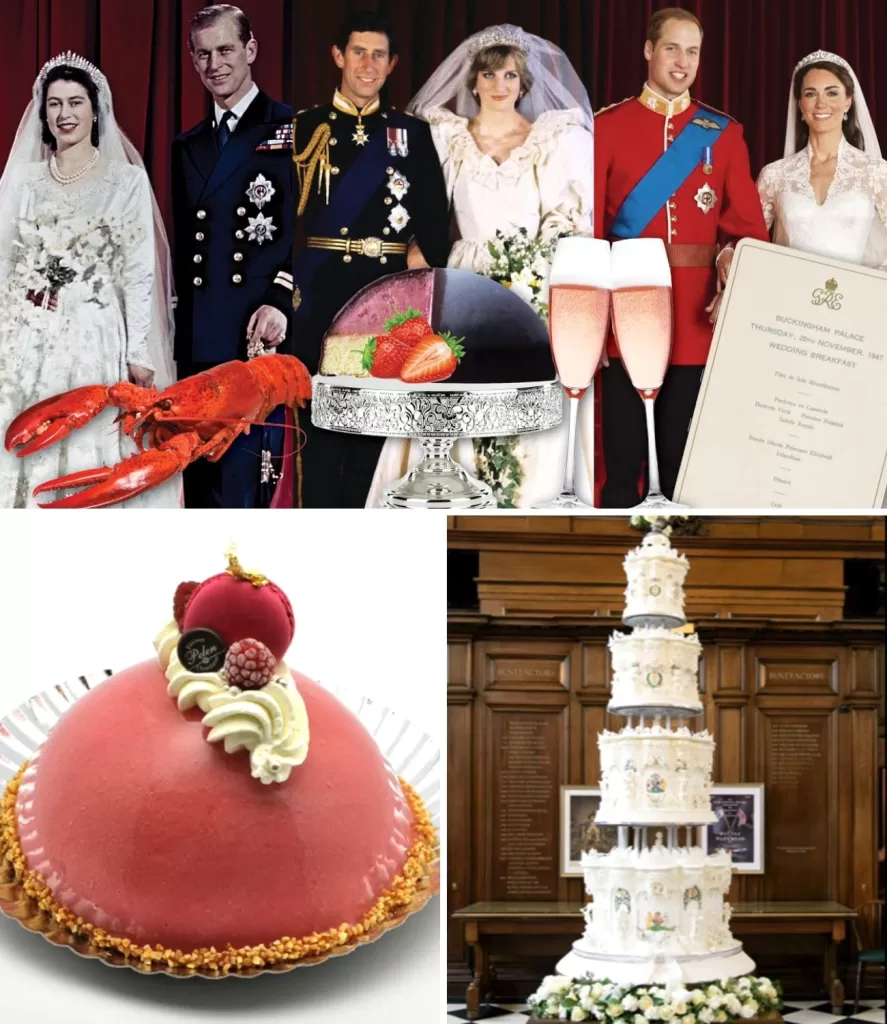
Royal Wedding Menus: 3 Historic Royal Wedding Menus Revealed
Jul
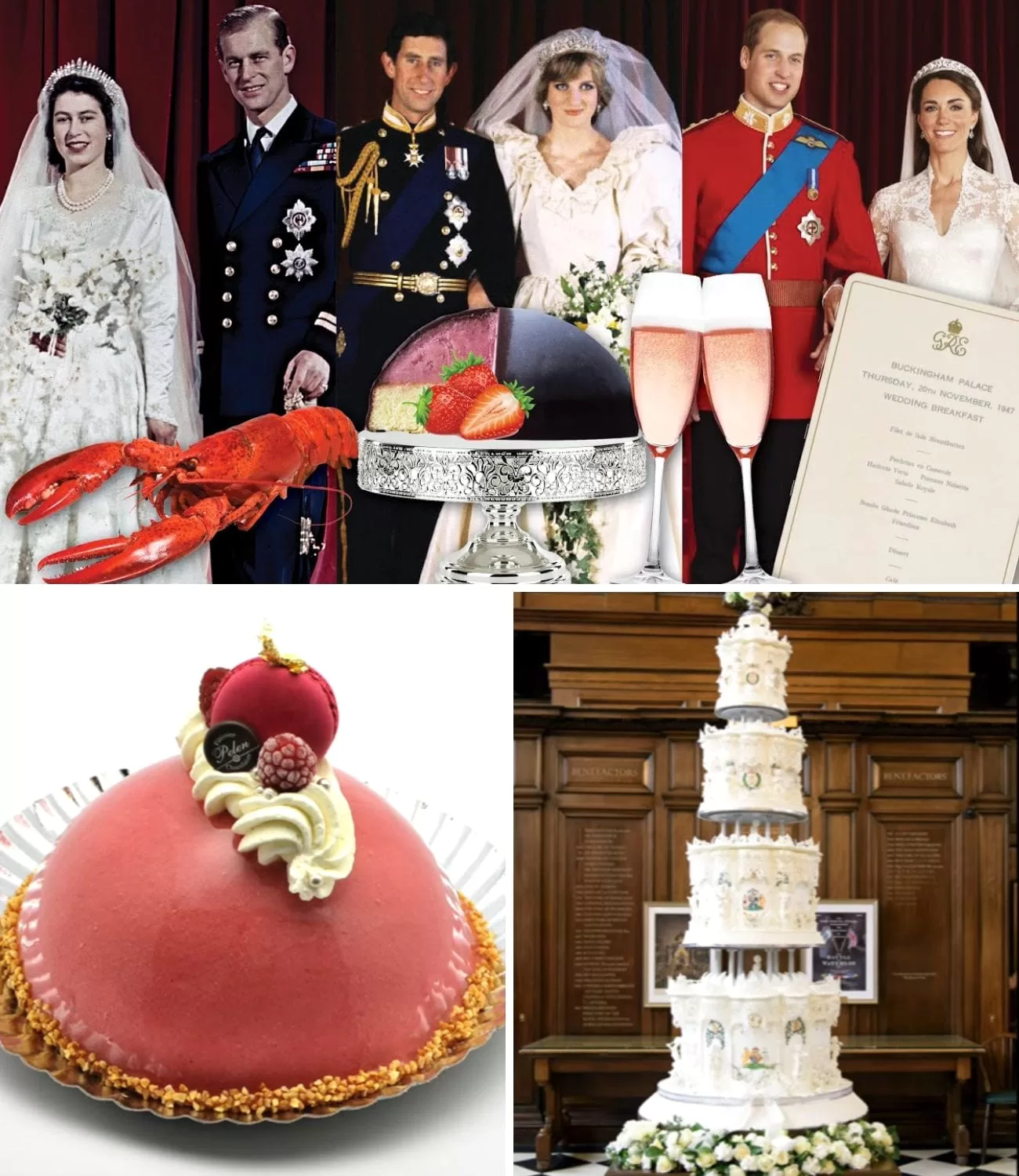
Three Royal Wedding Menus
Margaret Bell had called Number 14 Willow Lane home for forty-three years.
Her husband Arthur planted that tree after the birth of their second child, saying a house needed something living beside it—something that changed while the walls remained constant. After he died, Margaret kept the garden in order, trimming the lavender, polishing the letterbox, and setting out fresh milk in a jug whenever her son Adrian came to visit.
Adrian visited less often now. When he did, he came by car, kissed her cheek, checked his phone, and talked about business as if life were a meeting running over time.
One Friday in October, he arrived with his fiancée, Felicity, a poised woman with neatly styled hair. They brought a solicitor’s folder and set it down on Margaret’s kitchen table.
“Mum,” Adrian said, straightening the papers, “it’s just a formality.”
Margaret looked at the folder. “What kind of formality, love?”
Felicity gave a soft smile. “Mrs Bell, Adrian is concerned about you living here on your own. It’s a lot to handle—the stairs, the upkeep, the winter bills.”
“I’ve managed winters before,” Margaret replied.
“Of course,” Adrian said. “But if you transfer the house into my name, I can take care of everything properly. You can stay here for as long as you want. It just makes sense.”
Margaret’s hands rested in her lap. “And why does it have to happen now?”
Adrian glanced at Felicity. “The wedding has turned out more expensive than we expected. I’m not asking you for money—I’m just reorganising assets.”
“Your father hated that word,” Margaret said. “Assets.”
A shadow passed over Adrian’s face. “Dad wanted the family to be taken care of. This is how it’s done now.”
Margaret did not sign. She said she would think about it. Adrian kissed her cheek again, colder than before, and Felicity squeezed her shoulder gently.
After they left, Margaret sat until her tea went cold and grey. Outside, leaves covered the path. She thought of Arthur standing there with soil on his sleeves. She remembered Adrian at six, hiding under the table after breaking a vase. She had told him, “The truth is never as frightening as hiding from it.”
Yet now he was hiding something from her.
The next morning, Margaret took the folder to the library where her friend Ruth volunteered. Ruth read the first pages and then lowered her glasses.
“Meg, this isn’t harmless. You’d be giving him ownership. He could borrow against it. He could sell it.”
“He said I could stay.”
“People say a lot of things when the paperwork is on their side.”
Margaret folded her gloves. “He is my son.”
“And you are his mother, not his bank.”
The words stung because they were too precise. Margaret took the papers home and placed them in Arthur’s old writing desk. As she closed the drawer, something snagged at the back. She reached in and pulled out a slim envelope, yellowed at the edges, her name written in Arthur’s careful hand.
Inside was a letter dated six months before his death.
My dearest Meg, it began, if you are reading this, I have been both cowardly and sentimental, which will not surprise you. I have placed the house entirely in your name because I want you to have a place where no one can rush you. The children must find their own paths. Help them when you can, but do not let love persuade you to surrender your shelter.
Margaret pressed the paper to her chest. She did not cry right away. At her age, grief often arrived politely, sitting down before revealing itself.
On Sunday, Adrian called three times. She let the phone ring. On Monday, he came without Felicity.
“You’re avoiding me,” he said.
“I was thinking about your father.”
Adrian rolled his eyes, then looked briefly ashamed. “Mum, please. We need to sort this out.”
“Why?”
“Because deposits are due. Because Felicity’s parents have offered help, and I can’t look like the only one who’s brought nothing.”
“There it is,” Margaret said softly.
His face reddened. “You don’t understand what things cost now.”
“I understand pride, worry, and the fear of being seen as insignificant.”
He pushed his chair back from the table. “Keep every brick. But don’t expect me to pretend you supported us.”
He left, slamming the front door so hard the letterbox shook.
For two weeks, silence settled over Willow Lane. Margaret went to the market, attended church, and watered plants that did not need it. At night she reread Arthur’s letter until she knew every line by heart.
Then Felicity came alone.
Margaret found her on the doorstep in the rain. Without Adrian beside her, she looked younger.
“Mrs Bell, may I come in?”
Margaret paused for just a moment. “Of course, dear. You’re drenched.”
In the kitchen, Felicity held her tea mug in both hands. “I had no idea what he was asking you to sign. He told me it was tax planning, and I believed him because I wanted to.”
Margaret said nothing.
“This wedding has turned absurd,” Felicity went on. “Ice sculptures, string quartets, embroidered napkins—none of it was what I wanted. It was his way of proving something to my family.”
“And what is your dream?”
Felicity gave a weary laugh. “A registry office. A lunch where people are kind to each other. A marriage that doesn’t start in debt.”
Margaret studied her. “Have you told him?”
“He hears criticism even when there is only truth,” Felicity said, swallowing. “He isn’t cruel, Mrs Bell, but he’s afraid—and when Adrian is afraid, he goes grand.”
Margaret gave a sad smile. “He didn’t learn that from anyone unfamiliar.”
The next Saturday, Margaret went to London with Ruth. They found Adrian in his flat surrounded by sample menus and unpaid bills. He looked drained.
When he saw his mother, he rose too fast. “If you’ve come to lecture me—”
“I’ve come to bring you home,” Margaret said. “Tomorrow. Lunch at one. Bring Felicity.”
He stared at her. “Why?”
“Because families shouldn’t be negotiating through solicitors.”
Lunch was roast chicken with potatoes, carrots, and apple crumble. Adrian arrived rigidly, Felicity at his side.
After the meal, Margaret set Arthur’s letter down on the table.
“Your father wrote this to me,” she said. “I will not give up this house—not because I love you any less, Adrian, but because I have to honour the love that protected me.”
Adrian read the letter, and partway through his eyes began to fill.
“I thought he wanted more from me,” he whispered.
“He expected you to be honest.”
The room was very still.
Adrian covered his face. “I’m in trouble, Mum. The business is failing. I borrowed money. I told Felicity I could handle it. I thought if the house was in my name I could secure a loan and fix everything before anyone found out.”
Felicity went pale. Ruth stopped pretending to fuss with the cutlery.
Margaret felt that familiar pain of wanting to shield her child from consequences, but Arthur’s words stayed firm within her.
“I will help you speak to a debt adviser,” she said. “I’ll sit with you when you tell Felicity everything. I’ll cook, listen, and pray. But I won’t lose my home to save your pride.”
Adrian began to cry then—quietly, not dramatically, but like a man who had been stretched too far for years. Felicity reached for his hand, and he looked at her as though she might walk away.
“We’ll cancel the big wedding,” she said. “We either begin again properly or not at all. No more hiding.”
Three months later, Adrian and Felicity were married at the registry office in Winchester. Margaret wore a blue hat she had owned since the Queen’s Silver Jubilee, and Ruth wept into a handkerchief while insisting it was hay fever. Afterwards, twelve people had lunch overlooking the river. There were no ice sculptures, no quartets, no embroidered napkins—only laughter, hot soup, and the sense of air coming back into the room.
Adrian stood to speak, his voice shaking as he thanked his mother “for refusing to save me in the wrong way.” Some guests didn’t understand, but Margaret did—and that was enough.
In spring, the cherry tree bloomed more generously than it had in years. Adrian began coming on Sundays, sometimes with bills to go over, sometimes only bringing pruning shears. He was not suddenly perfect; families rarely heal in a straight line. They mend like gardens—slowly, with weather, patience, and hard pruning.
One afternoon, Margaret watched him kneel beneath Arthur’s tree, collecting fallen blossoms from the path. Inside, Felicity was laughing with Ruth over a stubborn kettle.
Adrian looked up. “Mum?”
“Yes, love?”
“I’m sorry I made you feel alone.”
Margaret opened the garden gate and stood beside him. “You did—but you came back before the house forgot your footsteps.”
He took her hand, rough with age and warm with forgiveness. Above them, cherry blossoms stirred in the gentle English wind, and Willow Lane held its memories without bitterness.
