
Car
Prince Edward Reportedly Blocks Camilla’s Relatives From Royal Box
Jul
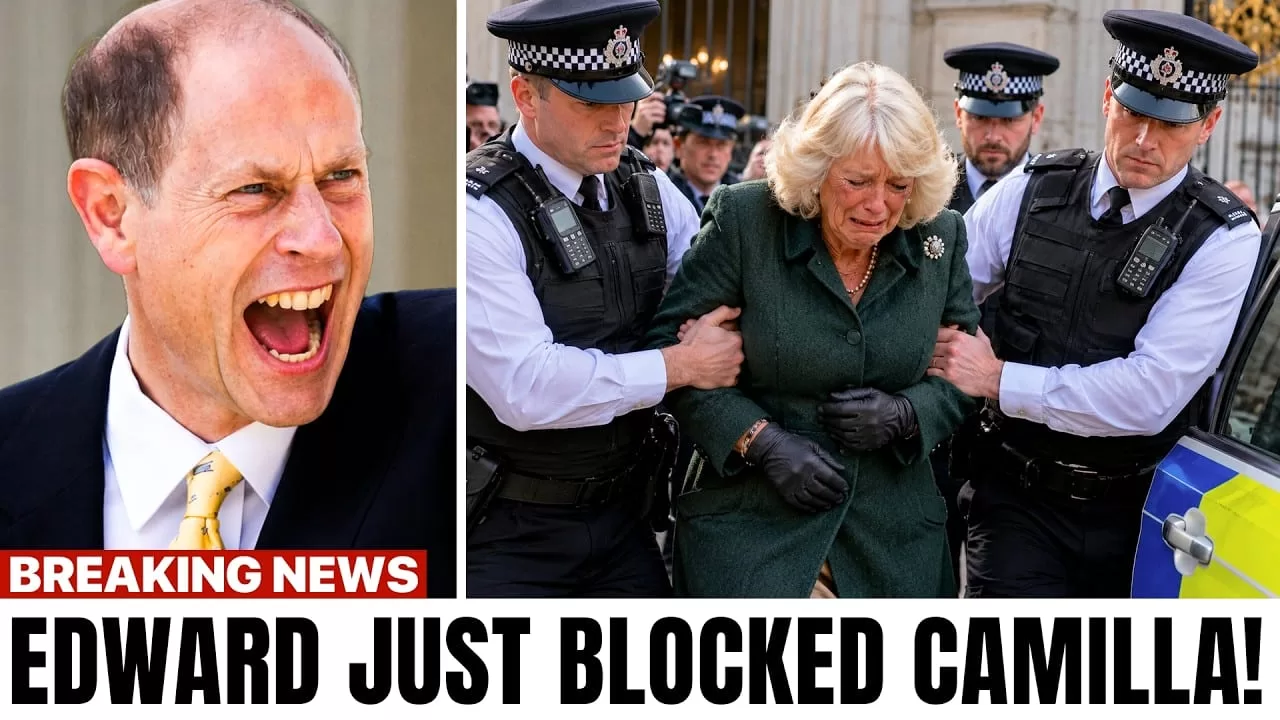
Prince Edward Reportedly Bars Camilla’s Relatives From the Royal Box Following a Dramatic Exit!
Amid rising tensions within the royal circle, Prince Edward, the Duke of Edinburgh, has reportedly taken a firm stance by preventing Queen Camilla’s extended family from accessing the prestigious Royal Box at Ascot. According to sources, the decision followed a striking walkout that unsettled palace insiders and exposed cracks in the monarchy’s carefully maintained image of togetherness, revealing long-standing frustrations beneath the surface.
What was expected to be a dazzling display of royal tradition at one of Britain’s most celebrated social occasions instead turned into a quiet but significant shift in influence. Royal commentators have repeated claims from palace sources that the dispute unfolded during Royal Ascot 2025. With Princess Catherine still recovering from health issues and away from public view, the royal enclosure placed unusual attention on members of Queen Camilla’s Parker Bowles circle. Tom Parker Bowles and other relatives were reportedly given prominent seating, attracting noticeable attention during the event’s formal celebrations.
Witnesses described an environment filled with silent discomfort. While the horses raced along the track and guests enjoyed champagne beneath the summer sky, a notable group associated with Camilla reportedly left in a highly visible departure. There were no arguments or public scenes—only a deliberate exit that carried a clear message. Insiders claim the departure may have been triggered by feelings of disrespect or increasing dissatisfaction with seating arrangements and the presentation of a “blended family” presence while senior members of the royal family were already facing significant pressures.
Prince Edward then became central to the story. Often viewed as the dependable, low-profile sibling—the “quiet one” who has supported the monarchy without chasing attention—Edward is reportedly said to have acted decisively. Reports claim he personally stepped in to adjust guest arrangements for future major events, effectively removing Camilla’s relatives from consideration for places in the Royal Box. Palace sources emphasize that the move was not a personal slight but a calculated effort to reinforce tradition and clear boundaries. Within royal symbolism, where every seat, balcony appearance, and carriage procession can carry important meaning, such decisions suggest a wider adjustment in priorities.
The timing of the reported decision adds further significance. Since King Charles III revealed his cancer diagnosis in 2024, the royal family has entered a period of change and uncertainty. Queen Camilla increased her public responsibilities and received recognition for her loyal support. However, as members of her family reportedly became more visible at major events, traditionalists allegedly raised concerns about the distinction between the official royal household and extended relatives by marriage. With Prince William moving closer to his future role as king, while Edward and Sophie, Duchess of Edinburgh, continue their own consistent work, the palace appears to be narrowing the focus of its inner circle.
This reported conflict is not the first development surrounding the wider Camilla family story. Discussions about alleged influence concerns, questions over access to royal estates, and quiet resistance from senior royals have continued for months. Edward’s reported position reflects broader attempts—occasionally also associated with William—to emphasize the direct succession line and the core working members of the monarchy rather than a larger family network. At Ascot, with Catherine’s absence especially noticeable, the reported prominence given to non-senior figures may have been seen as going beyond an unspoken limit.
Royal observers remain divided over Edward’s reported action. Some consider it a principled effort to protect protocol and acknowledge those carrying the greatest responsibilities within the institution. Others view it as another sign of internal strain, showing a monarchy attempting to reconcile modern expectations with centuries of hierarchy under constant public attention. “The Royal Box isn’t just seats—it’s a statement of who belongs at the heart of the institution,” one anonymous insider told commentators. “When that message shifts, everything else follows.”
As attention surrounding the matter begins to settle, the palace has remained silent, providing no official response regarding the alleged walkout or the reported restrictions that followed. Still, the story continues to attract interest. In a time when every royal action is analyzed immediately, Prince Edward’s reported intervention has sparked renewed discussion about loyalty, authority, and the future direction of the Crown. Will this quiet decision bring greater stability, or will it deepen the divisions already appearing behind the monarchy’s polished image?
 The royal family has faced difficult moments before, including divorces, scandals, and health struggles, yet this new chapter appears to be deeply personal in a way unlike the others. As one royal observer remarked, “In the game of thrones, even the quietest players can rewrite the rules.” Britain and the rest of the world continue to watch closely, waiting to see what unfolds in this compelling story of family, duty, and destiny.
