Car
The Visual Style That Made S.W.A.T. Instantly Recognizable Without Saying a Word dt02
Jul
Before a single line of dialogue was spoken, many longtime viewers could already tell they were watching S.W.A.T.
The reason wasn’t the cast.
It was the show’s distinctive visual identity.
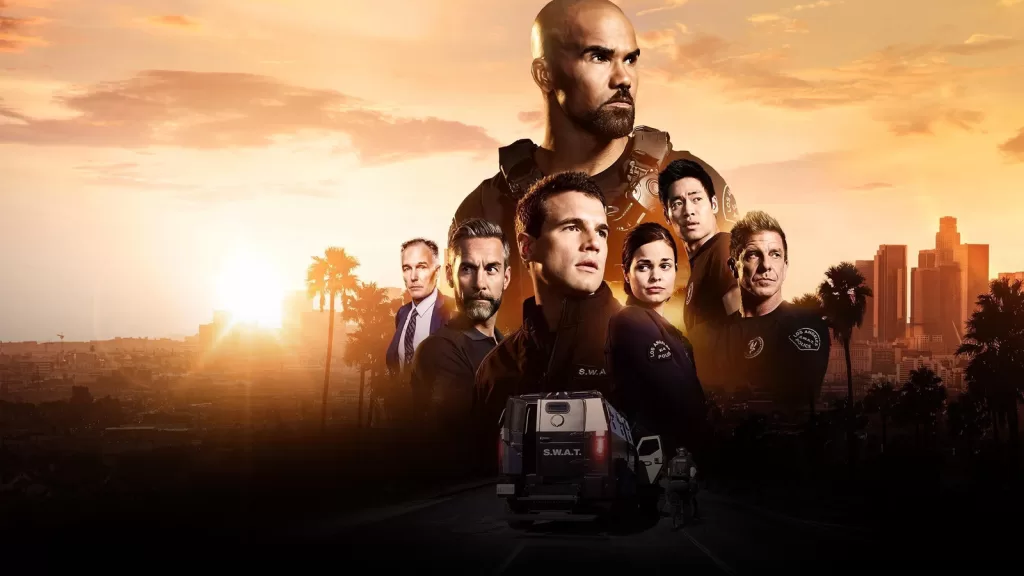
Across multiple seasons, the series developed a consistent cinematic style built around moving cameras, wide city views, close-quarter tactical shots, and carefully framed action sequences.
Those visual choices helped create a sense of urgency without overwhelming the audience.
More Than Fast Camera Movements
Every mission felt carefully organized through the camera’s perspective.
Wide shots established the danger.
Close-ups captured tension.
Tracking shots placed viewers directly alongside the officers as operations unfolded.
Rather than simply recording action, the cinematography became part of the storytelling itself.
Creating a Signature Look
Many network dramas change their visual style over time.
S.W.A.T. largely remained committed to the energetic aesthetic that defined its earliest seasons.
That consistency gave the series an identity audiences immediately recognized.
Even years later, individual scenes remain visually memorable because of how they were presented—not simply because of what happened.
A Style That Still Holds Up
As new action dramas continue arriving every year, S.W.A.T. remains visually distinctive.
Its approach demonstrated that strong cinematography doesn’t require constant reinvention.
Sometimes, developing a clear identity is enough to leave a lasting impression.
