
Uncategorized
Living Room Sitcoms’ Death: Ray Romano & Phil Rosenthal Speak
Jul
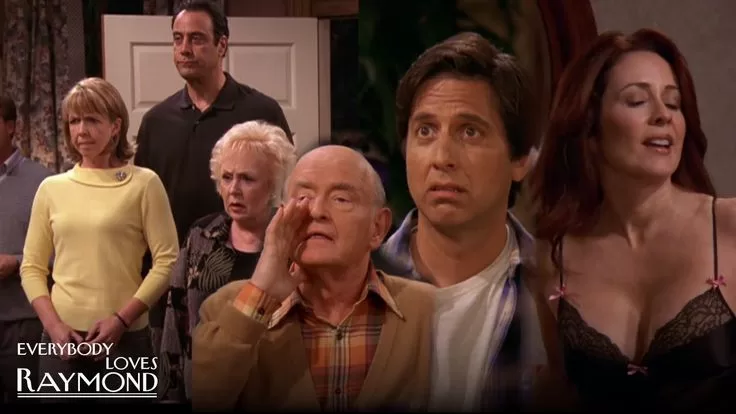
Have you ever gone back to watch an episode of Everybody Loves Raymond and suddenly noticed how distant that era of television now feels? When the Barone family argued about suitcases, crowded homes, and overinvolved parents, millions of viewers showed up every week without fail. Yet creator Phil Rosenthal and actor Ray Romano have said that a series like this would be nearly impossible to produce today. The reason is simple: the entire network television system has transformed. Here is why today’s TV environment would struggle to recreate the imperfect, realistic magic of Ray Barone’s world.
The Era of Familiar Family Chaos Has Disappeared
Consider how straightforward the idea behind the show really was: a sports columnist living directly across from his demanding parents and his brother. There were no futuristic concepts, no dark antihero journeys, and no elaborate gimmicks—just ordinary family conflict at its funniest. Rosenthal explained that networks no longer tend to approve multi-camera, character-focused family comedies like this. That style of show faded away around the same time Ray and Debra’s story came to an end. It raises the question of whether we have replaced shared, relatable humor with polished streaming shows shaped by algorithms.
The Power of Turning Real Life Into Comedy
People often say that art reflects life, and for Everybody Loves Raymond, that connection was almost direct. Rosenthal and Romano have repeatedly explained that the series succeeded because they were experiencing many of the same challenges as their characters while writing and performing it. They were raising young children, dealing with relationship struggles, and handling the frustrations of aging parents. That stage of life comes with constant pressure. Watching those episodes now can feel less like viewing a sitcom and more like looking through a personal family video collection. Would a modern writers’ room even have the time to explore authentic marital fatigue instead of immediately moving toward the next storyline?
The Misconception That Ray Romano Was Simply Playing Himself
Many viewers believe Ray Romano was just acting like an exaggerated version of his everyday personality. In reality, creating that performance required serious effort. The writers famously had to persuade Romano to drink coffee so he could find a quicker, more energetic rhythm for certain scenes. Rosenthal has strongly defended him, explaining that a natural performance is still a performance. Ray was not casually wandering through scenes; he was demonstrating remarkable control and subtle comedic skill. In an era where comedy often favors exaggerated reactions, that understated, dry vulnerability has become increasingly rare.
Living With the Influence of Marie and Frank Barone
The show’s success was largely driven by the unforgettable dynamic between Peter Boyle and Doris Roberts. Frank and Marie Barone embodied an older generation of parents who expressed affection through harsh honesty and a complete lack of boundaries. In today’s culture, would someone like Marie Barone make it through audience testing? Her constant involvement and cutting remarks would likely create endless online arguments about harmful parenting. Still, beneath the criticism and insults was a foundation of powerful, lasting family devotion. That kind of complexity is difficult to preserve when television characters are expected to be immediately judged as either acceptable or unacceptable.
The Decline of Network Television’s Multi-Camera Comedy Style
Remember when Thursday or Friday evenings meant sitting together in the living room and watching a multi-camera comedy recorded before a live audience? That format has mostly been replaced by single-camera series and streaming shows designed for continuous viewing. Networks now prioritize cinematic presentation, expensive production, and ongoing storylines that keep audiences coming back. Everybody Loves Raymond succeeded because it felt like a stage performance, depending on actors responding to one another in the moment and drawing energy from the audience. That theatrical connection is something many modern productions no longer have.
Why Today’s Standards Might Limit What the Show Could Become
Let’s tackle the obvious issue first. Much of the comedy in Everybody Loves Raymond came from awkward realities involving marriage, gender expectations, and family limits. Ray was frequently shown as lazy and quietly defensive, while Debra was overwhelmed, drained, and constantly frustrated. These days, social media critics often examine classic sitcom humor under intense scrutiny. If a husband avoided parenting responsibilities the way Ray did, Twitter would likely erupt almost immediately. The series balanced on a line of politically incorrect humor that many modern studios would hesitate to cross.
The Challenge of Protecting Creative Integrity
Many successful shows today continue long after their best ideas have disappeared, leaving viewers wishing they had ended sooner. Everybody Loves Raymond took a different path. The creators decided to stop after nine seasons because they did not want the quality to decline. Peter Boyle explained that Romano and Rosenthal intentionally chose to finish the series in order to protect what it had built. Could you imagine a major studio executive today willingly abandoning such a profitable franchise? Financial interests often take priority over artistic pride, which makes the Barone family’s farewell feel extremely unusual.
Why Streaming Platforms Favor Big Ideas Over Emotional Depth
If someone presented a show today about a man who constantly complains about his wife, his mother, and his brother while eating meatballs, an executive might immediately ask where the superhero appearance is. Streaming platforms prioritize strong concepts, dramatic hooks, and shows designed for nonstop viewing. Everybody Loves Raymond developed slowly through its characters and relationships. It relied on viewers caring about small conflicts, like arguments over fruitcake or a broken toaster. In a time when people’s attention is often counted in seconds, the calm rhythm of a traditional sitcom almost feels rebellious.
The Cast Chemistry That Cannot Be Recreated
You cannot simply recreate a once-in-a-lifetime combination of talent. The relationship between Ray, Patricia Heaton, Brad Garrett, Peter Boyle, and Doris Roberts succeeded because their connection felt natural and genuine. Once major figures like Boyle and Roberts are gone, the structure of the show loses its foundation. That is why the cast has repeatedly rejected the idea of a complete reboot or revival. Some stories are better left preserved exactly as they were, tied to the unique moment that brought them to life.
Revisiting the Legacy Through Anniversary Celebrations
Even many years after the finale, the show’s impact on popular culture remains significant. Reunion events and retrospective programs show that audiences still want that particular kind of comforting entertainment. Listening to Romano and Rosenthal discuss the unpredictable journey behind the series—including Ray’s determined efforts to replace the title Everybody Loves Raymond with something less awkward—shows how ordinary and relatable the creators really were. They were simply people who unexpectedly became part of television history.
Final Thoughts
Ultimately, Everybody Loves Raymond could not be recreated today because the unusual combination of cultural conditions, television business decisions, and personal experiences that came together in the late 1990s no longer exists. The show grew from authentic struggles with marriage and parenting, was written by people who understood those challenges firsthand, and was carried by actors who treated a family living room set with the seriousness of a Broadway stage. The episodes can still be enjoyed through reruns, but television has moved toward different styles and priorities. For anyone who misses the warmth of a studio audience laughing at familiar family imperfections, the Barone home will always feel like a place worth returning to.
Frequently Asked Questions
1. Why did Phil Rosenthal say Everybody Loves Raymond could not be made today?
Phil Rosenthal explained that network television has moved away entirely from the traditional character-focused domestic multi-camera sitcom style, and studios are no longer approving series built around ordinary family experiences.
2. Did Ray Romano actually enjoy the title Everybody Loves Raymond?
No. Ray Romano famously disliked the title and spent years attempting to persuade CBS executives to replace it with options such as That Raymond Guy or Um, Raymond, but the network refused once the series became a major success.
3. Why will there not be a reboot or revival of the show?
The main cast members and creators have said that bringing the show back is not possible, largely because of the deaths of beloved longtime actors Peter Boyle and Doris Roberts, who were central to the series’ emotional core.
4. How much of the show was inspired by real life?
A large portion of the show’s storylines came straight from the personal lives of Ray Romano, Phil Rosenthal, and the other writers, reflecting the real challenges of parenting young children and handling demanding family members.
5. For how many seasons did Everybody Loves Raymond air?
The successful CBS comedy series continued for nine seasons, running from 1996 to 2005, with more than 200 episodes and multiple Emmy Awards to its name.
