
Car
YNW Melly: 7 Years in Cell Before Verdict as Court Battle Escalates
Jul
For years, discussions about YNW Melly have centered on a single core question:
Did he do it, or not?
Is he guilty, or is he innocent?
Yet as his murder case stretches into its seventh year, a new question is now sparking anger across social media, within hip-hop circles, and even among some legal observers.
What if the punishment is effectively happening before the verdict is ever reached?
A tense new courtroom development has brought Melly’s jail conditions into national focus, after powerful testimony and emotional remarks from his family described a deeply concerning reality behind bars.
At the heart of the dispute is his mother, Jamie King, who says seeing her son held under such harsh conditions has turned into a living nightmare no parent should face.
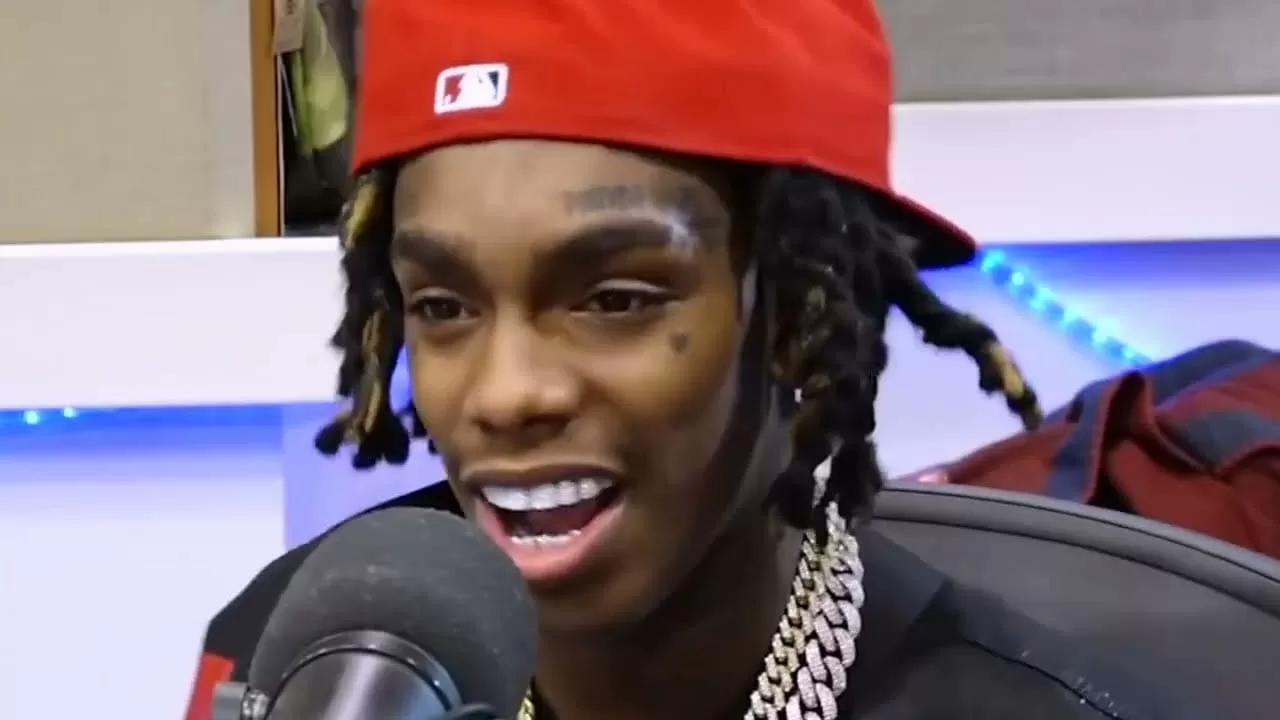
Court filings and testimony indicate that Melly has allegedly been kept in near-complete isolation for years while awaiting trial.
Mental health specialist Dr. Matthew Norman reportedly testified that extended solitary confinement can cause severe psychological harm, likening it to the isolation shown in the film Cast Away and stressing that no person should endure such conditions for long periods.
The statement quickly sparked a wave of strong reactions online.
His supporters insist that, regardless of the allegations, he is still presumed innocent under the law and should not be held in conditions they consider extreme or damaging.
Others argue that officials may have valid security reasons given how high-profile the case is.
Still, one point continues to drive ongoing debate.
There has still been no final verdict in Melly’s case.
That reality has become a rallying point for fans who feel he is being treated as though his guilt has already been assumed.
At the same time, his defense team has reportedly sought emergency relief, claiming the conditions of his detention fall below acceptable standards and put his health at risk.
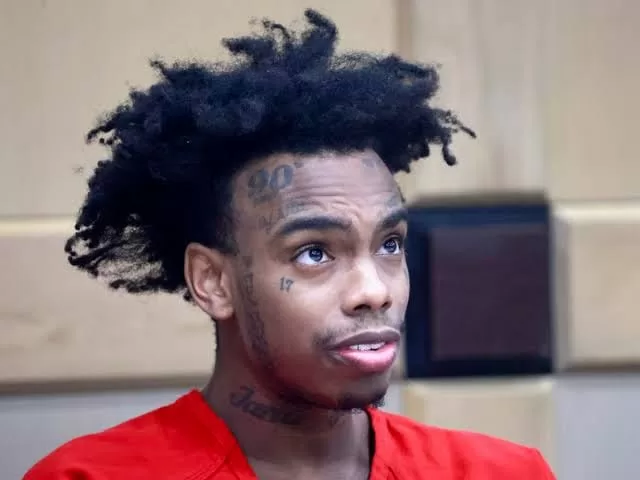
However, just as public sympathy appeared to be increasing, prosecutors introduced new claims that significantly shifted the tone of the case.
Court proceedings show the state presenting evidence of alleged gang ties and arguing that releasing Melly could present a danger to public safety.
Reports also suggested that YNW Bortlen, a central figure connected to the case, may have shared information that prosecutors believe strengthens their argument.
This development immediately reignited intense debate within hip-hop communities.
Are prosecutors finally assembling a stronger case?
Or are supporters simply witnessing another phase in a legal fight that has already lasted for years?
For Melly’s family, the matter remains heartbreakingly straightforward.
They want him released.
For prosecutors, the priority remains public safety and legal accountability.
And for fans following every update as it happens, the stakes have never felt more serious.
As emergency motions, courtroom testimony, and fresh allegations continue to surface, one reality is becoming increasingly hard to dismiss:
The trial itself may decide Melly’s fate.
But the growing dispute over how he has been treated before any verdict is reached may end up being one of the most heavily debated parts of the entire case.
