
Car
Prince William Steps Out With King Charles After Years Apart
Jul
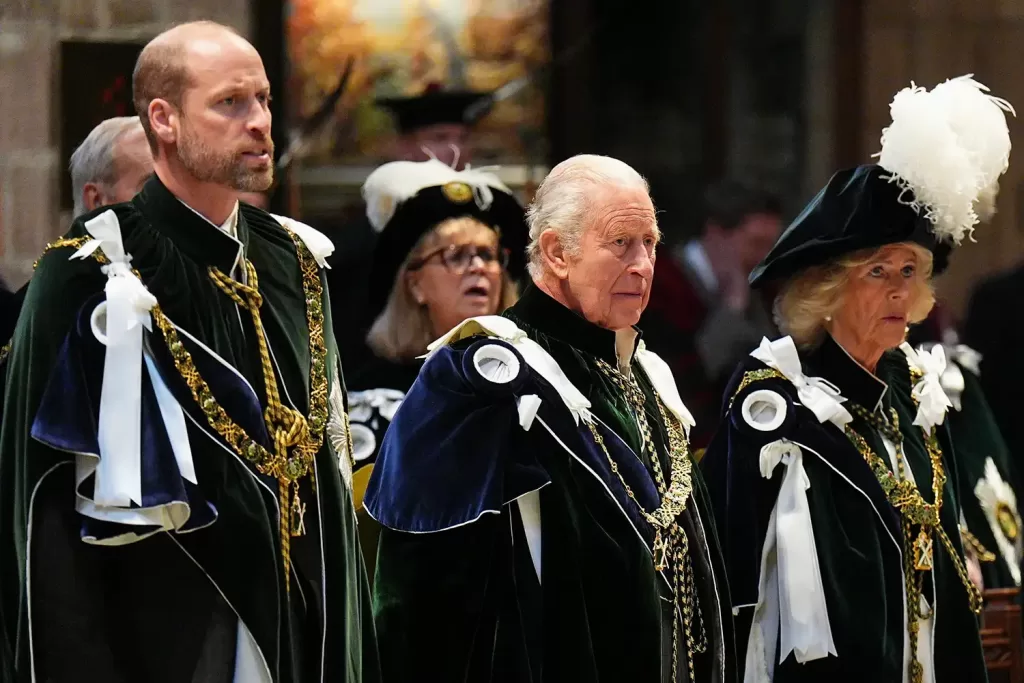
In Edinburgh, a powerful blend of long-standing Scottish heritage, modern royal responsibility, and deeply personal remembrance came together as Prince William joined King Charles III and Queen Camilla at a major ceremonial service. The event, held at the historic St. Giles’ Cathedral on July 1, carried significant emotional resonance worldwide, as it coincided with what would have been the 65th birthday of Princess Diana, the late Princess of Wales. Set within the grandeur of ancient ceremonial tradition and the formal induction of new members into the prestigious Order of the Thistle, the Prince of Wales’s composed presence stood as a quiet but striking tribute to his mother’s lasting influence, reflecting both his constitutional role as heir and the private weight of loss he continues to carry.
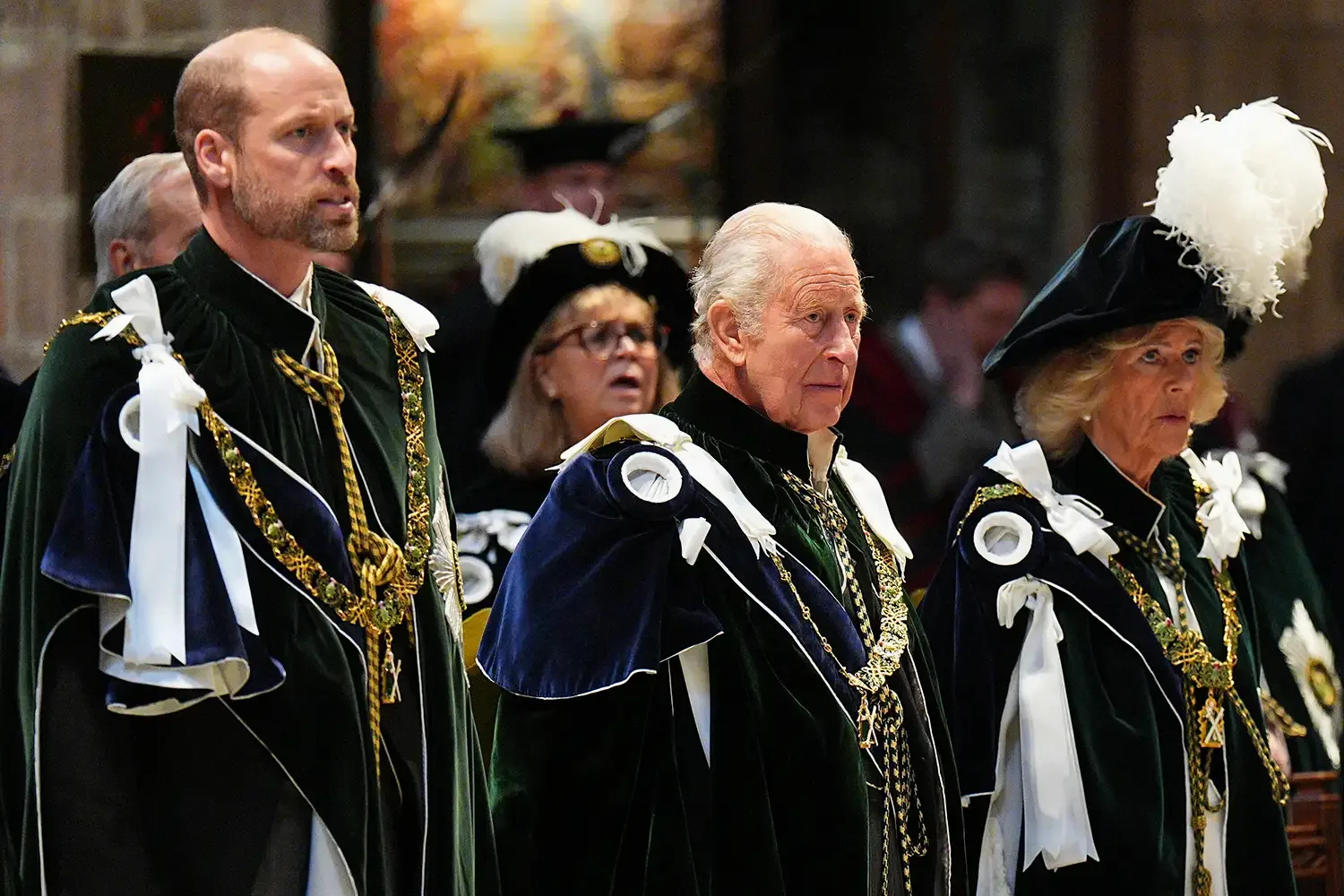
The day’s main focus was the traditional Service of the Order of the Thistle, Scotland’s most distinguished order of chivalry and the counterpart to England’s Order of the Garter. In its present form, it was established by King James VII of Scotland in 1687 and honors Scottish men and women who have reached exceptional public standing or made outstanding contributions to national life. Inside St. Giles’ Cathedral, the ceremony follows strict centuries-old protocols, with royals and knights dressed in elaborate deep-green velvet robes, ornate embroidered badges, and black velvet headwear decorated with striking white ostrich feathers. For Edinburgh locals and the many international visitors gathered along the Royal Mile, the procession provided a rare and vivid display of the monarchy’s enduring symbolism and unbroken historical continuity.
The arrangement of the royal family during the procession projected a clear sense of stability and cohesion within the present reign. King Charles, appearing determined while continuing his carefully monitored health journey, led the group with Queen Camilla, who marked her own milestone by wearing the order’s robes after her formal admission to the Thistle. Walking beside them with a composed, almost military posture was Prince William, known in Scotland as the Earl of Strathearn. The sight of the King, Queen, and heir moving together presented a reassuring image of unity, reinforcing the monarchy’s steady continuity during a period shaped by internal transitions and close public attention to evolving royal roles.
Yet beneath the ceremonial splendor and the sound of brass fanfares filling the cathedral’s vaulted stone interior, the date itself carried a deeper emotional significance. For Prince William, taking part in a prominent state ceremony on July 1 demanded notable restraint and composure. The death of Princess Diana in 1997 still casts a lasting presence over the royal family, and what would have been her 65th birthday prompted widespread global media reflection, public tributes outside Kensington Palace, and renewed attention to her legacy as the “People’s Princess.” By fulfilling official duties in Scotland on this anniversary rather than choosing privacy, William underscored a steady, duty-focused approach to his role, turning personal remembrance into a composed commitment to service.
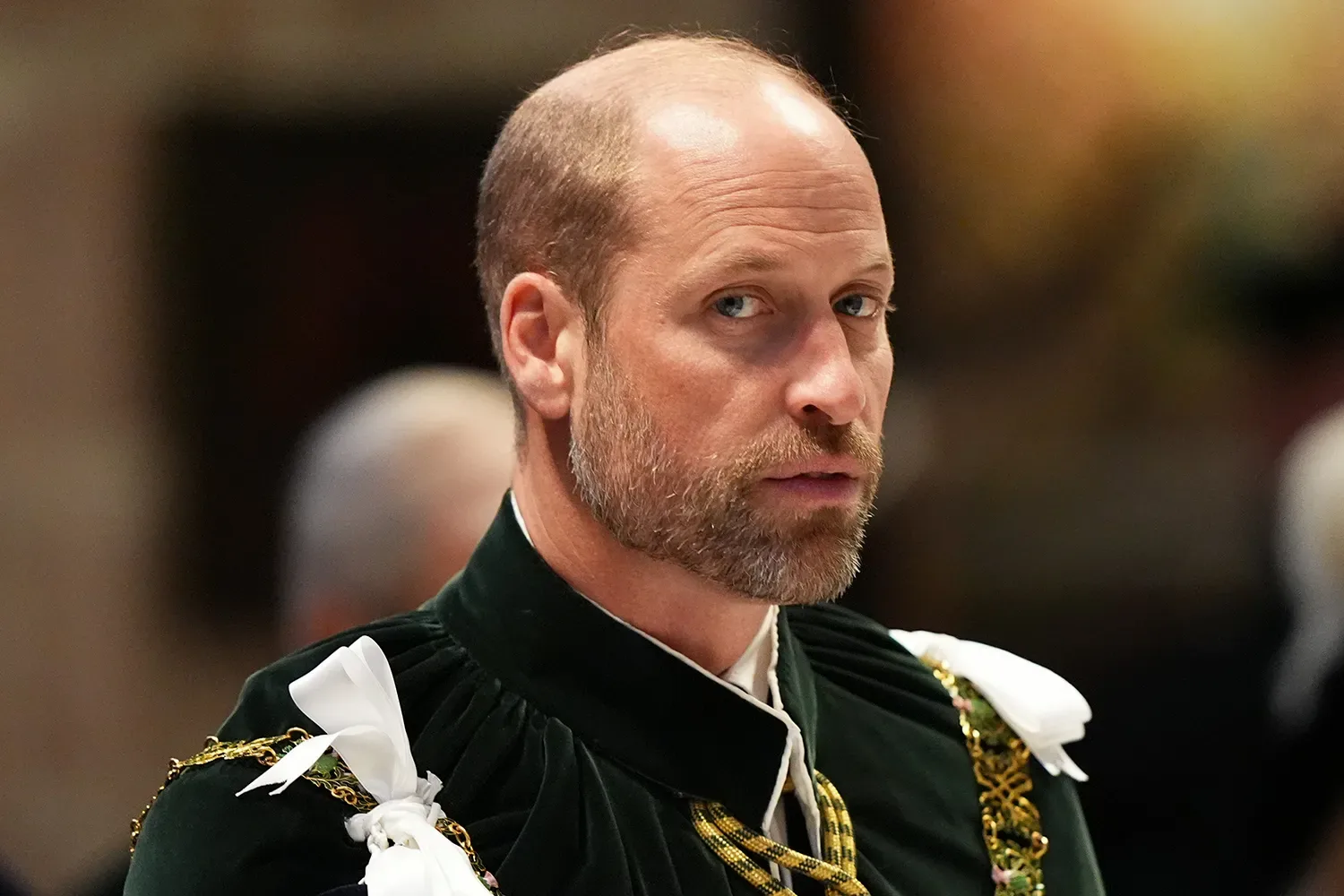
Royal commentators and cultural historians were quick to note the striking poetic symmetry in Prince William honoring his mother’s memory through active public service. Over her transformative life, Princess Diana reshaped how the House of Windsor related to the public, replacing formal distance with direct, human connection and hands-on humanitarian engagement. The Order of the Thistle sits at the very top of traditional establishment ceremony, standing in apparent contrast to Diana’s modern, boundary-challenging approach, yet William’s smooth presence at the event underscored his ability to connect the ancient symbolism of monarchy with present-day relevance. By greeting crowds warmly in the historic streets of Edinburgh outside the cathedral, he showed he has inherited his mother’s instinct for making the Crown feel more accessible, carrying her influence into the way he approaches his future role as king.
Inside St. Giles’ Cathedral, the Thistle service unfolded in a mood of deep solemnity, accompanied by traditional Scottish hymns, classical choral music, and formal scripture readings led by senior church figures. The cathedral itself holds a significant place in recent royal memory, having been the setting where the nation paid its final respects to Queen Elizabeth II during her lying-at-rest in late 2022. For King Charles and Prince William, returning to the same stone interior alongside Queen Camilla naturally brought an added sense of reflection across generations. The induction of new knights into the order also served as a clear sign of time’s progression and the ongoing renewal of national institutions, echoing a broader moment of structural change and modernization within the monarchy under the King’s streamlined direction.
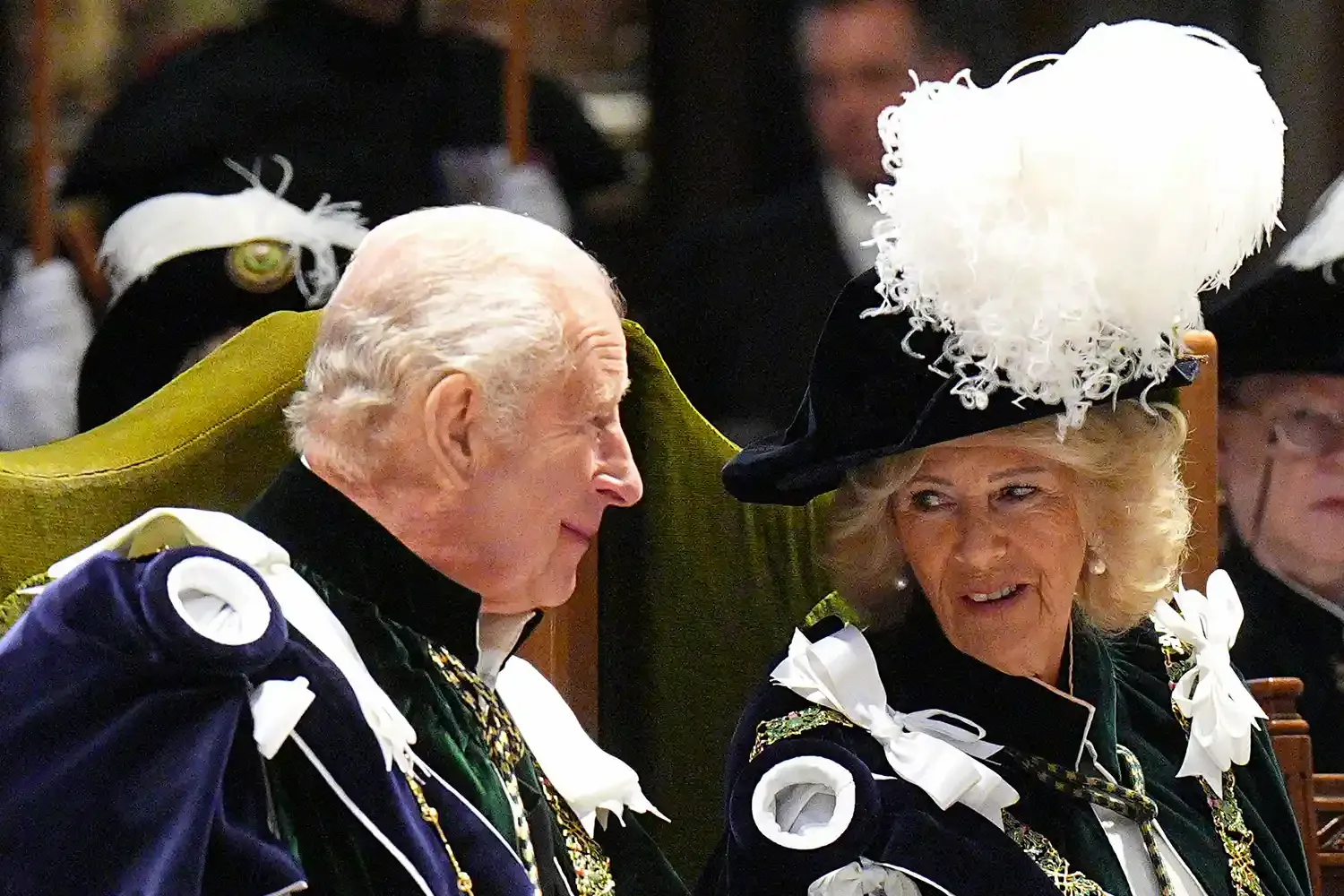
After the service ended, the royal party stepped out into a bright Scottish summer afternoon greeted by loud cheers from thousands lining the Royal Mile, many waving St. Andrew’s Cross flags. Prince William appeared in excellent spirits, smiling and speaking animatedly with King Charles and Queen Camilla as they walked toward their awaiting vehicles. Observers of royal affairs noted the ease and warmth in the public interaction between the King and the Prince of Wales, reading it as evidence of a strong and cooperative working relationship between monarch and heir. In a year marked by health challenges within the family and tensions across the Atlantic, this clear display of unity offered a direct counterpoint to speculation in the press.
As global coverage continues to highlight the grandeur of the Edinburgh procession and reflect on what would have been Princess Diana’s 65th birthday, Prince William’s actions on July 1 stand out as a defining moment in his path as Prince of Wales. The day offered a clear illustration of how a future monarch balances the personal weight of grief and family remembrance with the public role of representing continuity and state. By marking his mother’s milestone through service to the Scottish people alongside King Charles and Queen Camilla, William did more than fulfill a scheduled engagement; he reinforced how Diana’s legacy of duty, dignity, and public commitment continues to shape the direction of the modern British monarchy moving forward.
